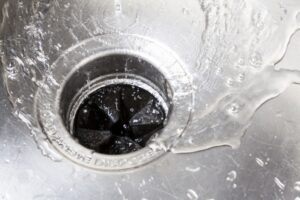
 Before you decide to throw that banana peel or stray stalk of celery down the garbage disposal to get rid of it, stop and read this blog post!
Garbage disposal systems are incredibly convenient and easy to use. However, homeowners and household members often don’t realize that their garbage disposal wasn’t created to pass everything down the kitchen sink drain. In fact, there are quite a few items that people put down their kitchen sink drain that just doesn’t belong there.
So, we thought it would be beneficial to provide homeowners with a guide about what can, and what should not, go down their kitchen sink drains, even if they have a garbage disposal in place. Reading this blog post can go a long way in preventing messy and annoying plumbing problems.
 The #1 thing you should know about drain cleaning solutions is that if using them is your method to clean your drains on a regular basis, then you’re actually doing more harm than good to your plumbing system.
 Let’s say you find yourself alone in your house at night… everything is quiet and peaceful, until.. a sudden metallic clang coming from the walls, startling you from your rest. Don’t worry, it’s probably not ghosts or intruders that you’ve heard. Instead, it could be something coming from your plumbing system called water hammer.
 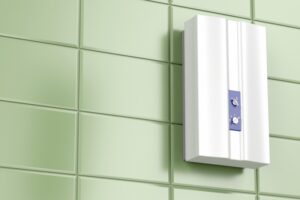 When you look at a standard, conventional tank water heater, it’s probably clear why it would need regular maintenance. It’s large, it has a number of components to it in order for it to work, and it’s metal full of water–two things that don’t typically go together without rust and corrosion. Tankless systems are so different though, right? They don’t hold water in them–instead, they heat water on demand when a tap or a plumbing appliance requires it. So you don’t have to worry about rust or corrosion as much. They don’t have as many components either, so their repair needs are limited.
 It likely goes without saying that your plumbing system is vital to the comfort of your home. Modern homes just aren’t built to be without plumbing! So when you encounter problems with that system, it can pretty much bring your life to a halt, if even temporarily. When this happens, it’s vital that you have a plumber you can trust, who you can call right away. You want a plumbing contractor who can not only get the job done, but give you the peace of mind that your plumbing system is in better shape than it was before they came.
 For those people who have already dealt with a slab leak, the term is pretty scary. It describes a leak that occurs in either the hot water (more common) or cold water lines that lie underneath your concrete foundation, and is a problem for the homes it happens in. Not only do slab leaks create a lot of water waste, they also can damage the property, lead to the growth of mildew and mold, plus add extra strain to the water heater if the leak is occurring in the hot water lines.
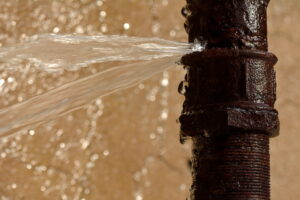 Plumbing leaks definitely make the top of the list when it comes to common problems faced by homeowners in our area. Pipes are designed to last a very long time, however, factors such as age and water pressure do take their toll eventually. As a result, a leak can spring up and leave you with property damage or at least wasted water. Our professionals can conduct professional leak detection services to determine where your leak is and accurately repair it.
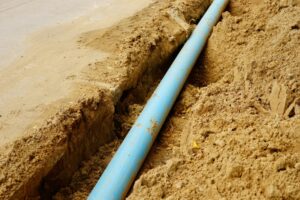 When it comes to modern homes, there probably isn’t a more important plumbing component than the sewer line. A broken sewer line leads not only to unsanitary conditions, but it can totally stop up any plumbing use you have in your home. Pretty much, you won’t be able to use your plumbing until you get it fixed. And for that, you’ll need a professional who can get the job done as quickly as possible.
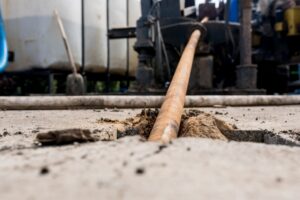 To answer this question, it first helps if you understand what pipe relining is. This describes a process where we insert, through trenchless technology, an inflatable lining that hardens once it’s inserted into your sewer line. This is the easiest way to fix leaks and other damage that may have occurred to your sewer line.
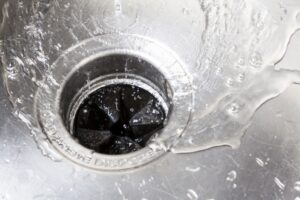 Before you toss that banana peel down your kitchen sink drain and turn on your garbage disposal system, read on! Although garbage disposals are very convenient and simply to use, they’re not designed to chew up all uneaten scraps. In fact, there are many items that homeowners wouldn’t even think are damaging for their garbage disposal system or their kitchen sink drain, however, they can do a lot of damage.